Cyprus Defence Ministry Responds to Reports of Turkish Air-Defence Expansion in the North
.png "Department of Strategic Monitoring")
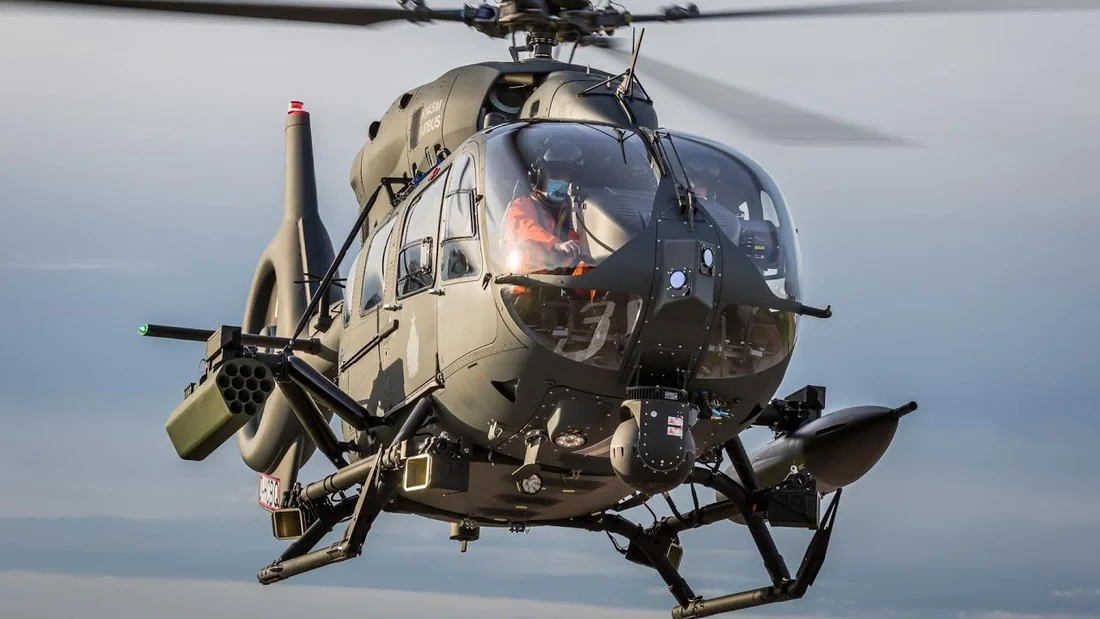
The Cypriot defence ministry on Friday rejected claims that an alleged expansion of Turkish air-defence systems in the north of the island inherently undermines the operational value of the Republic’s newly acquired H145M helicopters. Officials stressed that evolving conditions on the ground had been anticipated and that alternative operational strategies are available to mitigate emerging risks.
Speaking to the Cyprus Mail, the ministry acknowledged that Ankara’s reported deployments were expected following recent Cypriot defence procurements, among them the H145M helicopters. However, it maintained that such developments do not automatically negate the effectiveness of the platforms and that “different strategies can be implemented to address the changing operational environment”.
According to the ministry, reciprocal military manoeuvres were factored into planning after Cyprus proceeded with a series of acquisitions, including the Israeli-made Barak MX air-defence system. As a result, operational concepts and force posture are being adjusted in line with anticipated countermeasures.
Reports in regional media, supported by satellite imagery analysis, have suggested that Turkey has deployed medium-range Hisar air-defence systems near Kyrenia. These assets are believed to form part of Ankara’s broader “Steel Dome” concept — an integrated network combining radar, missile and command-and-control elements into a unified air-defence architecture.
Military analysts have cautioned that systems such as Hisar, reportedly capable of engaging targets at distances of up to 40 kilometres, could constrain the freedom of action of Cypriot H145M helicopters. In particular, they argue that helicopters may be forced to operate closer to defended areas, increasing exposure to air-defence coverage. Cypriot defence officials, however, view such assessments as incomplete and overly linear.
The H145M helicopters were acquired under a contract valued at approximately €140 million for six aircraft. Configured for light-attack and multirole missions, they are intended to replace ageing Soviet-era platforms and to enhance flexibility across a range of operational tasks.
Turkey’s wider “Steel Dome” ambition seeks to integrate multiple layers of air and missile defence under a single command structure, combining medium-range missile systems with extensive radar networks. Analysts note that such architectures are designed to counter diverse threats, ranging from drones and helicopters to fixed-wing aircraft and missiles, thereby expanding surveillance and engagement capacity across the eastern Mediterranean.
The Cypriot defence ministry reiterated that current procurement choices and force deployment plans, including investments in layered air defence, are aimed at preserving credible deterrence and operational adaptability. Officials emphasised that developments in the north are being monitored closely, but framed them as part of a dynamic security environment that requires adjustment and planning rather than alarm or revision of core defence policy.
Related Articles

Istanbul Sets the Line: Türkiye and Iran Define the Limits of Escalation Amid Rising Regional Tensions
30 January 2026
Read more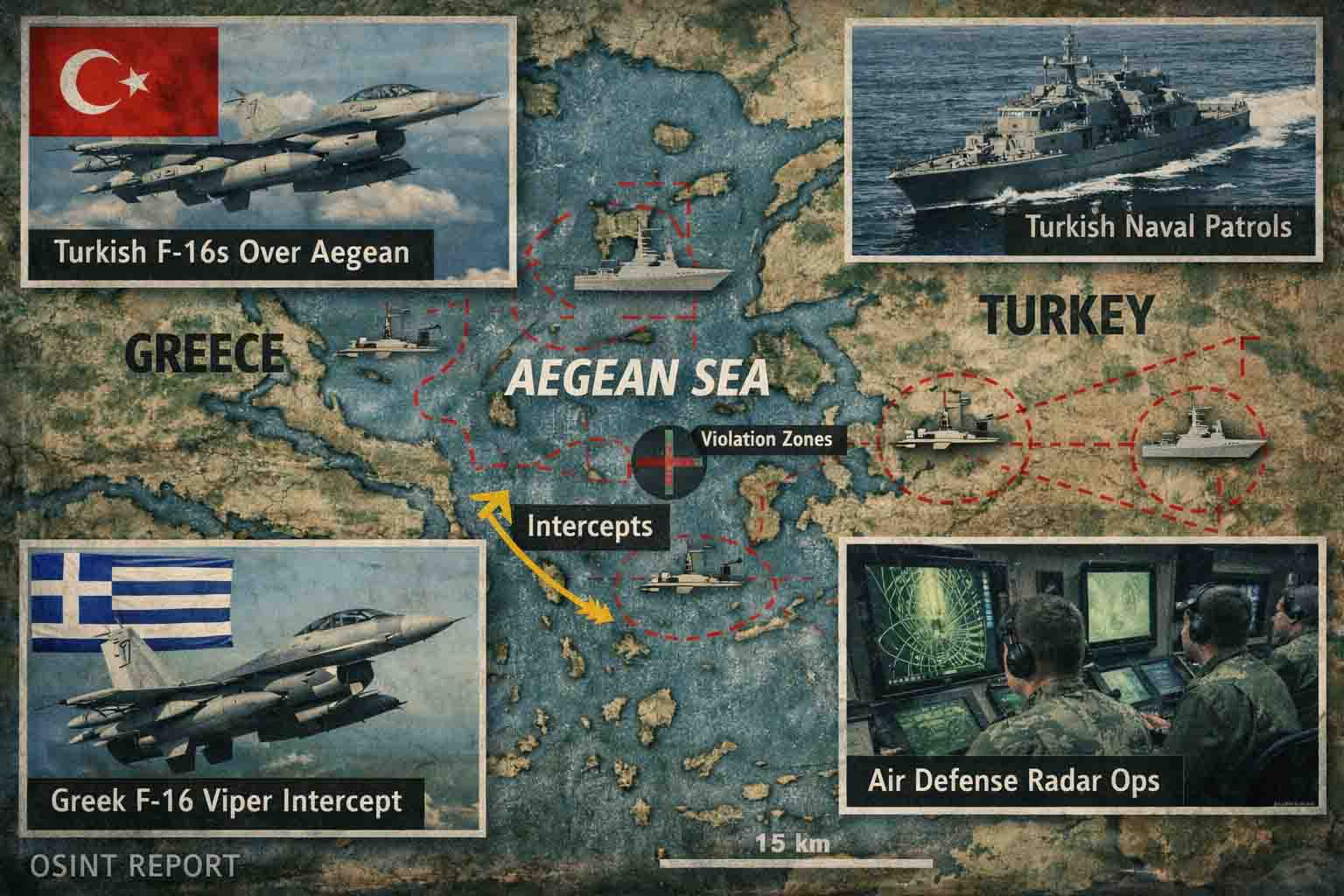
The Aegean Sea as a Zone of Managed Pressure. Turkey’s Rising Activity and Greece’s Strategic Response
24 January 2026
Read more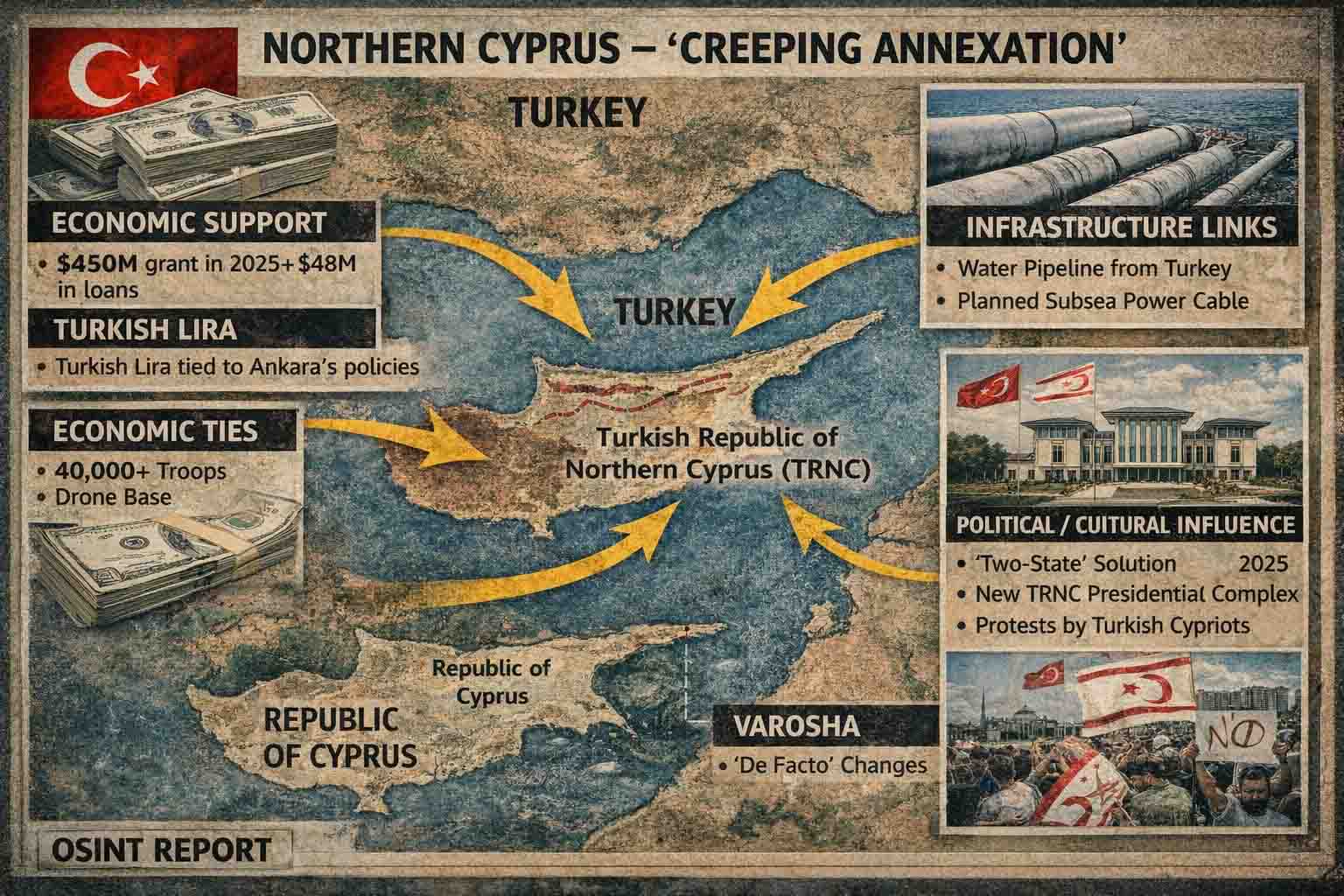
Northern Cyprus as a Zone of De Facto Integration
24 January 2026
Read more
Escalation in Rojava and the Hasakah Deal: What Happened in Northeastern Syria
21 January 2026
Read more