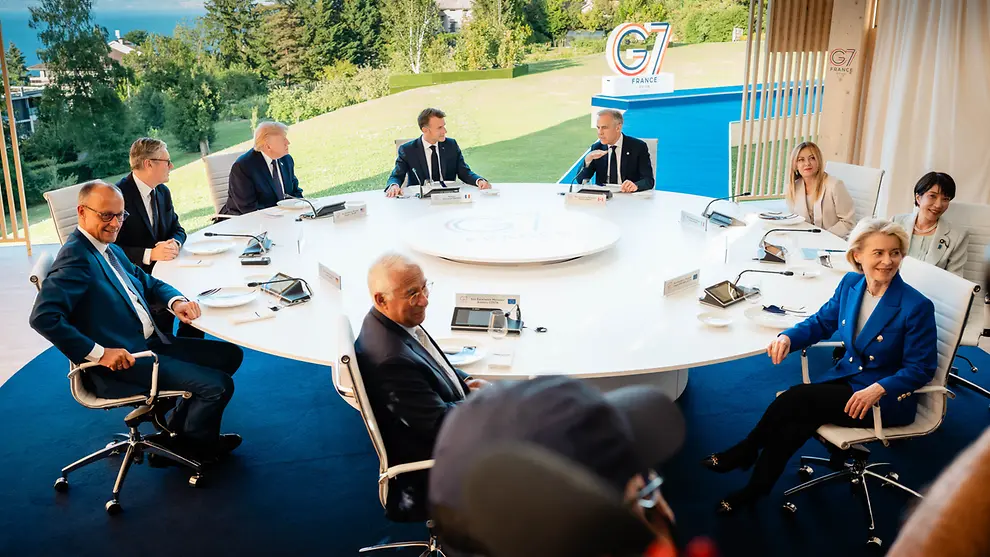
Саммит G7 во Франции: мировые лидеры перед лицом новой эпохи глобальных вызовов
G7 Summit in France: World Leaders Confront a New Era of Global Challenges
The 2026 G7 Summit, held from June 15 to 17 in the French resort town of Évian-les-Bains, has emerged as one of the most consequential international gatherings of the year. Bringing together the leaders of the United States, France, the United Kingdom, Germany, Italy, Canada, and Japan, the summit is taking place against the backdrop of escalating geopolitical tensions, ongoing armed conflicts, growing economic uncertainty, and rapid technological transformation.
Hosted by French President Emmanuel Macron, this year's summit has focused on a wide range of issues that are shaping the international agenda, including the war in Ukraine, stability in the Middle East, relations with China, global economic resilience, energy security, and the governance of artificial intelligence. The discussions reflect a world increasingly characterized by strategic competition, fragmented supply chains, and challenges to the post-Cold War international order.
Ukraine remains at the center of the summit's agenda. More than four years after the outbreak of the full-scale war, the conflict continues to dominate security discussions among Western allies. Ukrainian President Volodymyr Zelensky attended the summit and held a series of high-level meetings with G7 leaders, including U.S. President Donald Trump and French President Emmanuel Macron.
The talks focused on military assistance, financial support, reconstruction efforts, and potential pathways toward a sustainable peace settlement. While there are differing views among Western governments regarding the pace and conditions of future negotiations, there remains broad consensus that Ukraine's sovereignty and territorial integrity must be preserved. Officials participating in the summit have emphasized that any lasting settlement must provide credible security guarantees and prevent future instability in Eastern Europe.
One of the most closely watched diplomatic moments of the summit was the meeting involving Trump, Macron, and Zelensky. The discussions were viewed as particularly significant given ongoing debates within Western capitals about the future direction of support for Kyiv and the broader architecture of European security. Analysts note that the outcome of these conversations could influence transatlantic policy for months to come.
The Middle East has also occupied a prominent place in summit discussions. The recent agreement between the United States and Iran has created new diplomatic opportunities while simultaneously raising questions about regional stability and implementation. Leaders discussed the future of U.S.-Iran relations, maritime security in the Persian Gulf, and mechanisms to prevent further escalation across the region.
Particular attention has been paid to the security of international shipping routes, especially through the Strait of Hormuz, one of the world's most strategically important energy corridors. Any disruption to maritime traffic in the region could have immediate consequences for global oil and gas markets, potentially affecting inflation, trade, and economic growth worldwide.
Energy security remains closely linked to these concerns. Although many advanced economies have made progress in diversifying their energy sources, policymakers continue to recognize the vulnerability of global markets to geopolitical shocks. The summit has therefore included extensive discussions on strengthening energy resilience, expanding investments in renewable technologies, and ensuring stable access to critical resources.
China represents another major focus of the summit. Over the past decade, Beijing has become simultaneously an indispensable economic partner and a strategic competitor for many G7 nations. Leaders have spent considerable time discussing how to reduce excessive dependence on Chinese supply chains while avoiding a complete economic decoupling that could destabilize global markets.
A key area of concern is China's dominant role in the production and processing of rare earth minerals and other critical materials essential for advanced manufacturing, defense industries, electric vehicles, semiconductors, and artificial intelligence infrastructure. Several summit participants have advocated for coordinated efforts to diversify supply chains, strengthen industrial capacity within G7 countries, and develop strategic partnerships with emerging economies in Africa, Latin America, and the Indo-Pacific region.
Trade and economic security have therefore become increasingly intertwined. Discussions in Évian have reflected a broader shift in Western economic thinking, where resilience and national security considerations are now often viewed as equally important as efficiency and cost reduction. This marks a significant evolution from the globalization policies that dominated international economic strategy during previous decades.
Artificial intelligence has emerged as one of the defining topics of the summit. The unprecedented speed of technological advancement has prompted governments to consider new approaches to regulation, transparency, accountability, and international cooperation. Political leaders were joined by representatives of major technology companies and research institutions to discuss the opportunities and risks associated with advanced AI systems.
Among the key issues under consideration are the development of international standards for AI governance, protection against disinformation campaigns, cybersecurity threats, intellectual property concerns, and the impact of automation on labor markets. Governments are increasingly aware that artificial intelligence is becoming a strategic asset with implications not only for economic competitiveness but also for national security and geopolitical influence.
The economic dimension of the summit extends beyond technology. G7 leaders are confronting a global economy facing persistent inflationary pressures, uneven growth, mounting public debt, and heightened geopolitical uncertainty. The disruption of traditional supply chains, coupled with ongoing regional conflicts, has increased concerns about long-term economic stability.
Participants have examined strategies to strengthen economic resilience, improve cooperation among advanced economies, and support sustainable growth. Climate-related investments, infrastructure modernization, digital transformation, and industrial policy have all featured prominently in discussions. Many governments view these initiatives as essential for maintaining competitiveness in an increasingly fragmented global environment.
Climate policy continues to be another important element of the summit agenda. Although overshadowed by security concerns, leaders have reiterated commitments to energy transition, emissions reduction, and climate adaptation. The challenge facing policymakers is balancing environmental objectives with economic realities, particularly at a time when many countries are struggling with budgetary constraints and slowing growth.
Observers note that the 2026 G7 Summit reflects a broader transformation in international relations. The world is moving away from the relatively stable geopolitical environment that characterized much of the post-Cold War era and toward a more complex and competitive international system. In this new environment, economic policy, technology, energy security, and military strategy are increasingly interconnected.
Unlike previous summits that were often dominated by a single crisis, the gathering in Évian has highlighted the simultaneous nature of today's global challenges. Leaders are being forced to address multiple strategic issues at once: managing conflicts, maintaining economic stability, regulating transformative technologies, and responding to the rise of new geopolitical powers.
While the summit is expected to conclude with joint statements on Ukraine, artificial intelligence, economic cooperation, and strategic supply chains, many analysts argue that its most significant outcomes may emerge from behind-the-scenes diplomacy rather than official communiqués. Informal negotiations and leader-to-leader discussions often shape future international initiatives long before they appear in public declarations.
Ultimately, the 2026 G7 Summit serves as a reflection of the evolving international order. It demonstrates both the continuing influence of the world's leading advanced democracies and the growing complexity of the challenges they face. As geopolitical competition intensifies and technological change accelerates, the decisions and discussions taking place in Évian-les-Bains are likely to have far-reaching implications for global politics, security, and economic development in the years ahead.
Related Articles
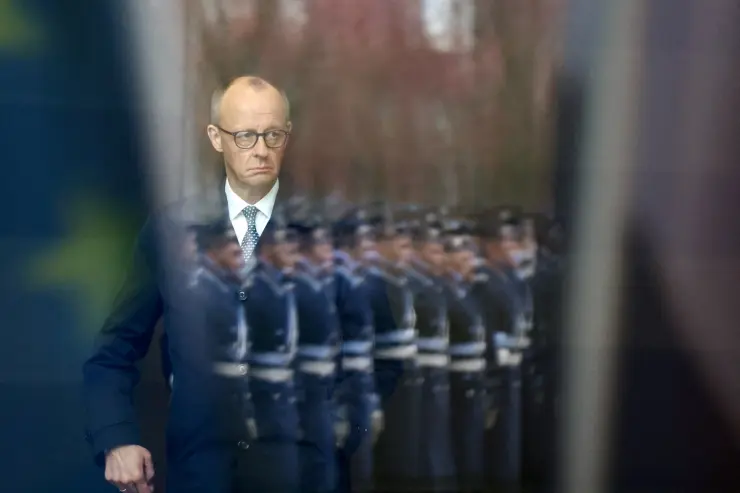
Germany Dramatically Expands Military Spending: Berlin Prepares for a New Era of European Security
23 May 2026
Read more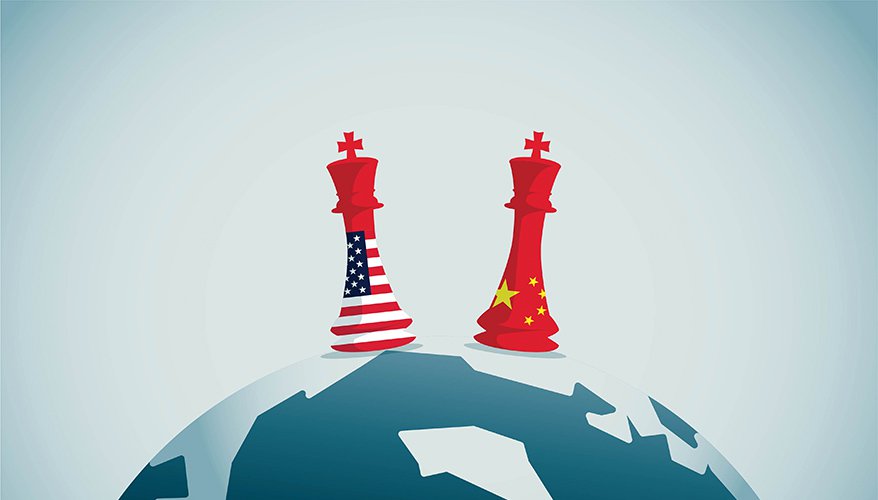
China Against the System: How Beijing Is Preparing for an Era of Great Global Confrontation
23 May 2026
Read more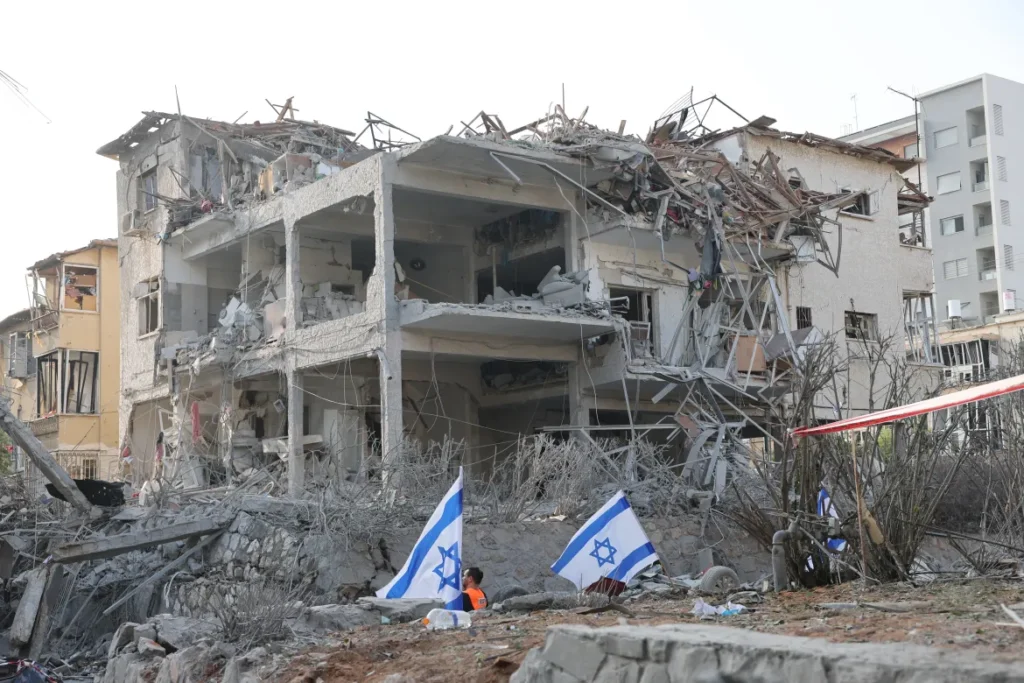
Washington, Tel Aviv and Tehran: How the Iranian Crisis Is Beginning to Reshape the Entire Middle East
23 May 2026
Read more
The Race for AGI: How Artificial Intelligence Is Reshaping the Global Balance of Power
14 May 2026
Read more