
What Is Happening in Iran and Israel on March 23
The escalation between Iran and Israel continues to intensify, moving from limited exchanges of strikes toward a phase of systemic pressure targeting strategic and symbolic locations. Recent developments indicate that the conflict is becoming increasingly multidimensional, affecting military dynamics, energy security, political stability, and public psychology across the region.
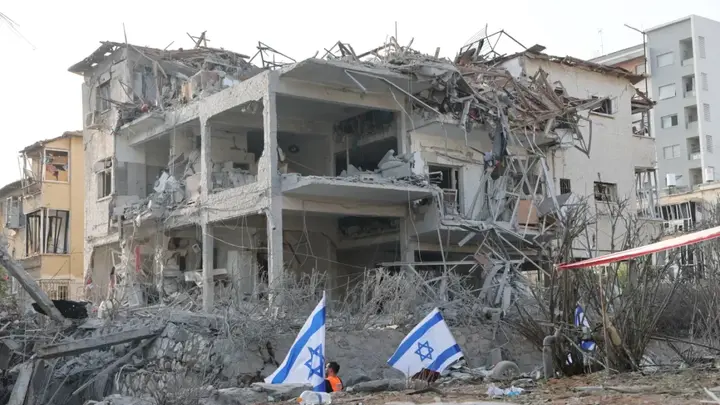
One of the most significant recent episodes was the series of Iranian missile strikes on southern Israel, particularly in the areas of Dimona and nearby Arad. The attacks damaged residential buildings and left more than 120 people injured. Israeli authorities acknowledged that some of the incoming missiles were not intercepted by air defense systems and launched an investigation into the reasons behind the breach. This development posed a serious reputational challenge for Israel’s multilayered missile defense architecture, which has long been regarded as one of the most advanced in the world.
The strike near Dimona carried particular symbolic weight. The area is widely associated with Israel’s nuclear infrastructure and its long-standing policy of strategic deterrence. Even without confirmed damage to the research facilities themselves, the fact that missiles reached this geographic zone heightened perceptions of vulnerability. The subsequent strike on Arad, where multi-storey residential buildings were heavily damaged, added a tangible civilian dimension to the psychological impact, reinforcing the sense that the conflict is penetrating deeper into Israel’s interior.
Israeli leadership has responded with signals of continued military resolve. The chief of staff stated that the war is at its “halfway point” and may continue at least until early next month. Defense Minister Israel Katz warned that the intensity of strikes against Iranian targets is expected to increase in the coming week. These statements suggest that Israel views the recent attacks not as a trigger for de-escalation, but as justification for expanding operational pressure.
Iranian officials have also issued strong warnings. Military representatives stated that any attacks by the United States or Israel on Iran’s non-military energy infrastructure would prompt retaliatory strikes against energy and technological facilities belonging to their adversaries in the region. These threats followed an ultimatum by U.S. President Donald Trump, who warned that Washington could strike Iranian power plants if Tehran failed to reopen the Strait of Hormuz within 48 hours.
The Strait of Hormuz has increasingly become a central axis of the crisis. As one of the most critical maritime corridors for global oil shipments and commercial traffic, any disruption or restriction of passage through the strait has immediate economic consequences. Rising energy prices and concerns over shipping security have already begun to reverberate across global markets. Efforts to assemble an international naval mission to safeguard navigation face political conditions and differing levels of commitment among U.S. allies.
At the same time, tensions are spreading across additional fronts. Reports of missile threats toward Gulf states, interceptions of drones, and incidents near commercial vessels contribute to a broader perception that the confrontation is evolving from a bilateral military clash into a regional crisis with global implications. The interconnected nature of these developments underscores how quickly localized strikes can trigger wider instability in a highly sensitive geopolitical environment.
From a military perspective, the unfolding situation reflects an evolving model of warfare in the Middle East. Long-range missiles, unmanned systems, and infrastructure-focused strikes are becoming central instruments of coercion. This trend lowers the immediate threshold for the use of force by allowing states to inflict damage without deploying large ground formations. At the same time, it increases the risk of uncontrollable escalation, as remote strikes can be repeated more easily and are difficult to fully neutralize.
Politically, the conflict appears to be entering a more dangerous phase. Each side seeks to demonstrate resilience and retaliatory capability, making compromise more difficult. Meanwhile, international actors are increasingly concerned about potential attacks on nuclear facilities, energy hubs, and vital maritime routes. The possibility that strategic infrastructure could become a regular target adds a new level of uncertainty to regional security calculations.
As of March 23, the situation is therefore defined by three overlapping dynamics: intensifying military operations, an expanding geography of threat, and the growing symbolic importance of individual strikes. Together, these factors make the confrontation not only more destructive but also more unpredictable. With neither side signaling readiness for rapid de-escalation, the coming weeks may prove decisive in shaping the future trajectory of the Iran-Israel crisis.
Related Articles
Washington, Tel Aviv and Tehran: How the Iranian Crisis Is Beginning to Reshape the Entire Middle East
23 May 2026
Read more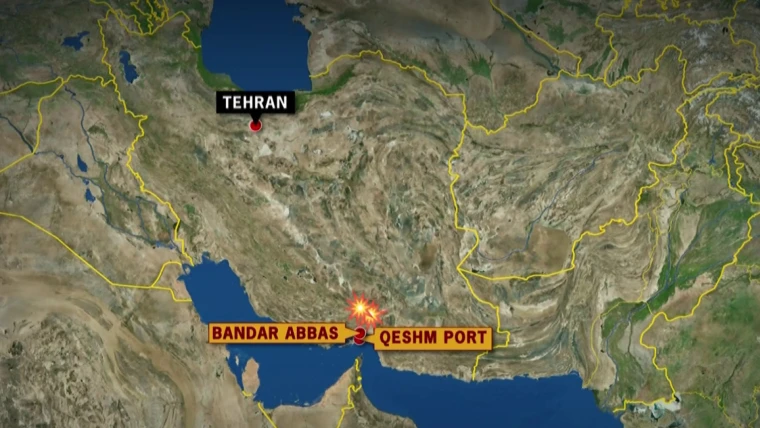
Ceasefire Under Fire: What Is Happening Around Iran and the Strait of Hormuz
8 May 2026
Read more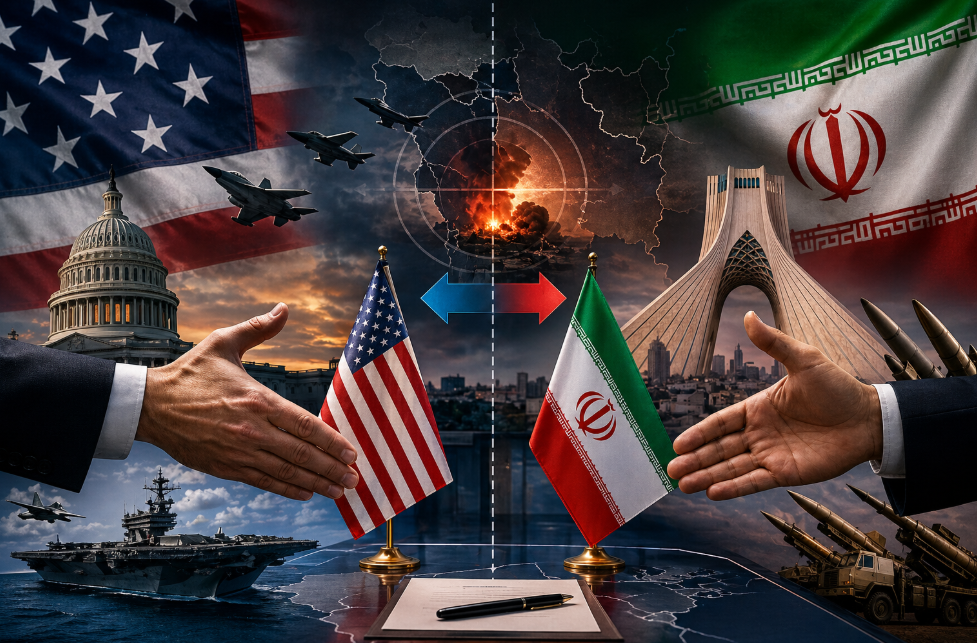
“Between War and Negotiations”: The Second Phase of U.S.–Iran Confrontation as a New Strategic Reality
26 April 2026
Read more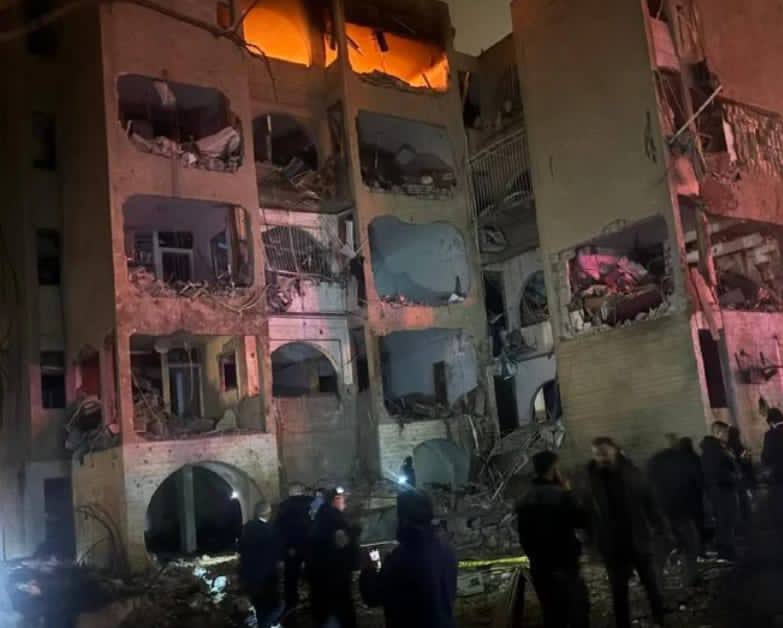
The Iranian strikes on southern Israel, in the areas of Dimona and Arad
22 March 2026
Read more