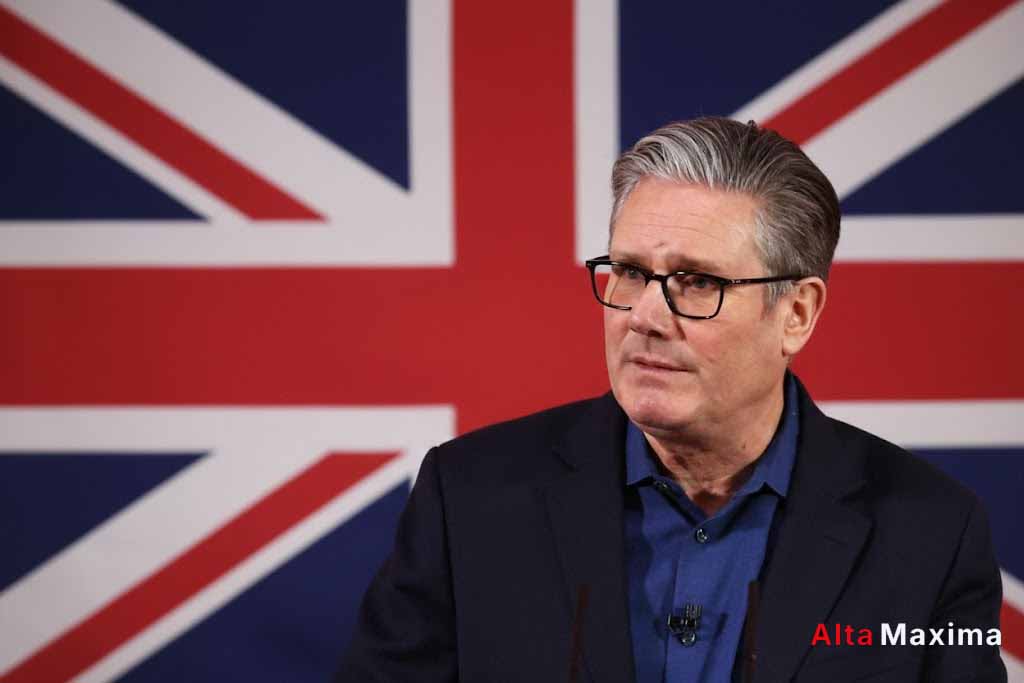
Mounting Pressure on UK Prime Minister Keir Starmer and the Emerging Political Crisis in London

Pressure on United Kingdom Prime Minister Keir Starmer is rapidly intensifying and has moved far beyond ordinary political debate, evolving into a full-scale leadership crisis that is affecting parliament, financial markets and the international perception of London. The latest developments in British politics form a chain of concrete events that indicate a structural challenge to the stability of the government rather than a short-term controversy.
The immediate trigger for the new wave of pressure was a series of high-profile resignations inside the prime minister’s inner circle. Within a short period several senior figures at Downing Street stepped down, including Chief of Staff Morgan McSweeney and key communications officials, amid controversy surrounding the appointment of Peter Mandelson as ambassador to the United States and renewed scrutiny linked to the Jeffrey Epstein files. These departures signaled to political observers and investors alike that the government was facing a serious crisis of internal cohesion and strategic control.
Following the loss of close advisers, pressure on Starmer intensified inside the Labour Party itself. A number of Labour politicians began openly questioning his leadership, and Scottish Labour leader Anas Sarwar publicly called for the prime minister to resign, an unusual and highly visible challenge from within the broader party family. Opposition parties seized on the moment, arguing that the prime minister’s position had become unstable and that the government was losing authority.
Political turbulence quickly spilled over into the financial sphere. Yields on British government bonds climbed toward recent highs, while the pound sterling showed significant volatility as investors reacted to the growing uncertainty surrounding fiscal policy and leadership continuity. Market analysts emphasized that the reaction was driven less by any single scandal and more by the broader perception of political instability and the risk of a shift in economic strategy. The louder the speculation about a potential leadership change became, the more investors priced political risk into British assets.
External factors also amplified the pressure. Rising support for right-leaning political forces, combined with increasing political polarization, has created an environment in which Starmer’s approval ratings appear fragile. Critics argue that the government has struggled to project a clear strategic direction, a perception that reinforces the narrative of a leadership under strain. This wider political climate has turned what might have been a contained controversy into a larger debate about the durability of the current administration.
Despite the mounting pressure, the prime minister has publicly rejected calls to step down. In meetings with members of parliament he stated that he would not abandon his responsibilities and would continue to carry out the mandate received from voters. Several cabinet ministers voiced support for Starmer, attempting to reassure both the public and financial markets that the government remains functional and capable of governing effectively.
However, statements of loyalty have not fully calmed investor anxiety. Hedge funds and currency traders began positioning for further fluctuations in the pound, reflecting expectations that continued political turbulence could weaken Britain’s fiscal outlook. Analysts warn that if speculation about potential successors grows louder, bond markets and the currency could face renewed pressure, particularly if investors anticipate a future leadership willing to pursue looser fiscal policies or expanded public spending.
Public opinion has become another critical dimension of the crisis. Earlier polling data already indicated historically low approval ratings for Starmer, making him more vulnerable to internal party criticism and increasing the likelihood of future leadership challenges. Each new resignation or controversy is therefore interpreted not as an isolated incident but as evidence of a deeper erosion of political authority.
Observers note that the current situation is unusual because it combines several layers of pressure at once. A personal controversy linked to staffing decisions, visible fractures within the governing party, economic uncertainty and the broader geopolitical environment have converged into a single moment of instability. Such a combination rarely emerges simultaneously, which explains why events in London are now seen as one of the most closely watched political developments in Europe.
From a strategic perspective, the trajectory of the crisis will depend on several key factors. First, whether Starmer can stabilize his team and halt further high-level departures. Second, how financial markets respond in the coming weeks, since sustained pressure on the pound or government bonds could accelerate political momentum against him. Third, the outcome of internal party negotiations and upcoming political contests that may either consolidate his leadership or trigger a formal challenge.
At present the situation remains tense but not yet terminal for the government. Starmer retains support from parts of the cabinet and has shown no intention of resigning. Nevertheless, the accumulation of events demonstrates that the pressure surrounding him has become systemic, extending beyond media narratives into institutional and economic realities. For this reason the developments in London are increasingly interpreted not as a routine political dispute but as a genuine leadership crisis capable of influencing Britain’s economic trajectory and diplomatic posture in the months ahead.
Related Articles
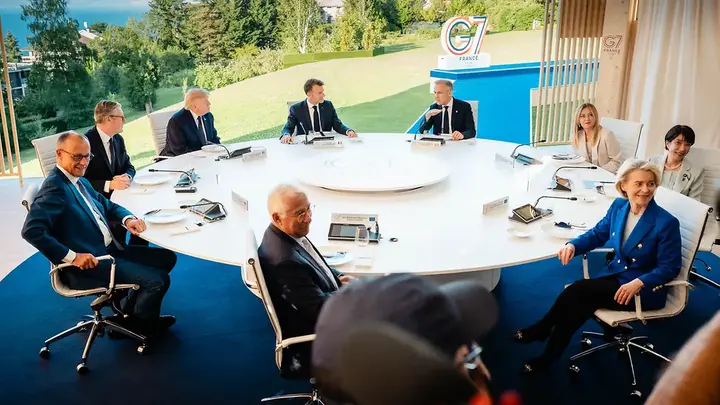
Саммит G7 во Франции: мировые лидеры перед лицом новой эпохи глобальных вызовов
17 June 2026
Read more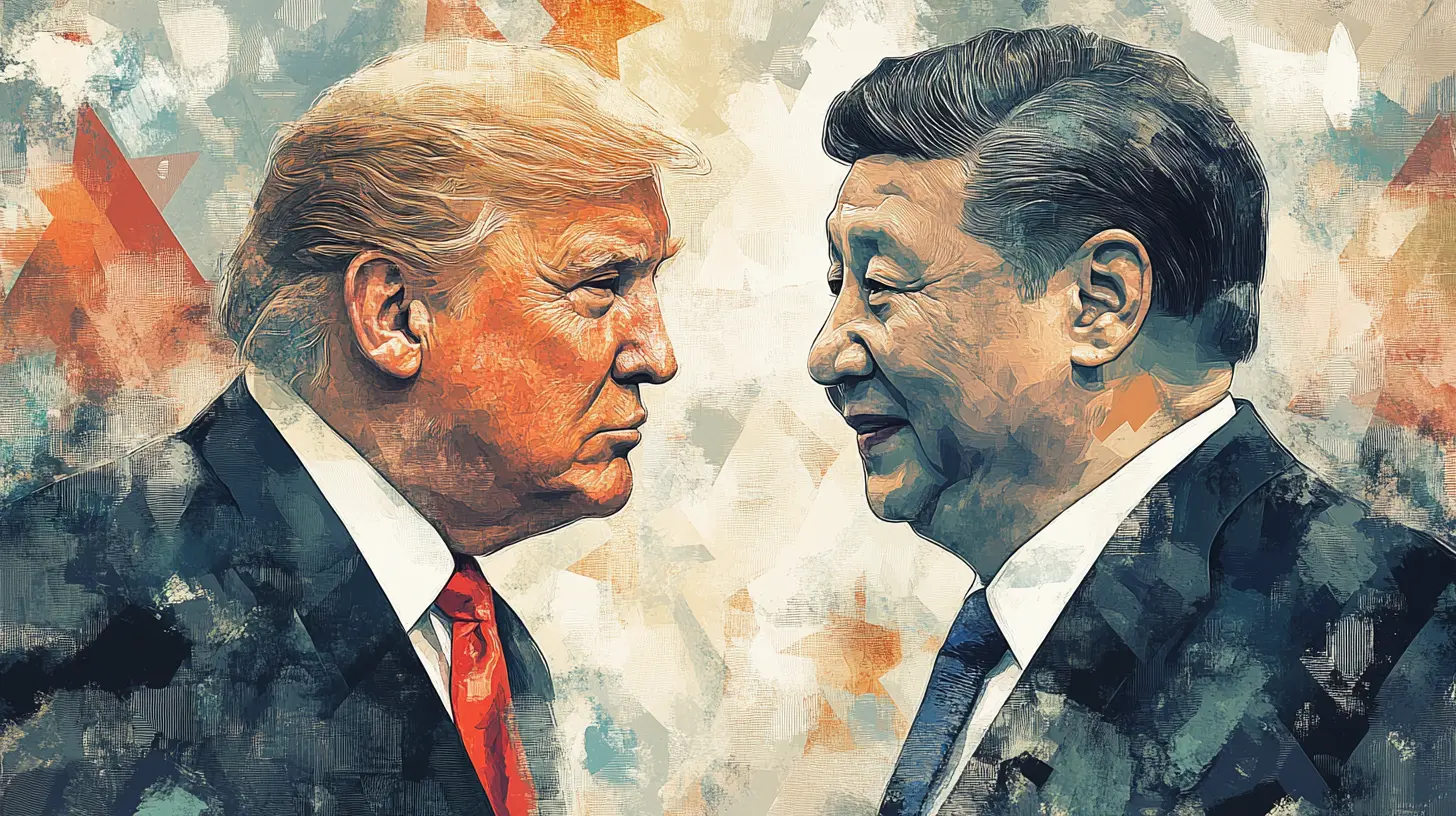
Donald Trump, the United Kingdom, China and Cuba: How Trade Pressure Is Becoming Washington’s Universal Tool
30 January 2026
Read more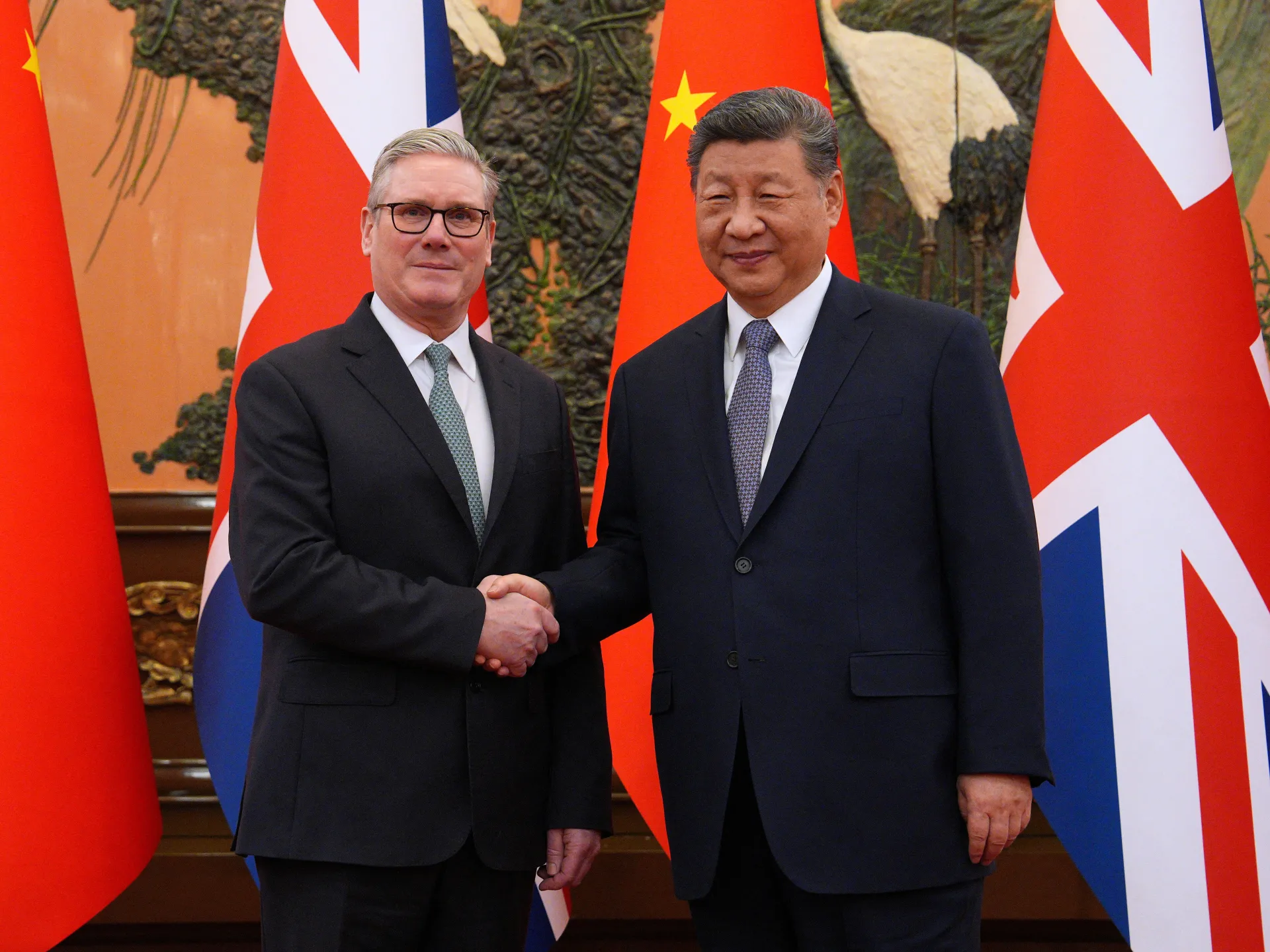
UK and China Enter a New Phase of Engagement
29 January 2026
Read more
London Draws a Line. Britain’s Political and Economic Posture Amid Trump’s Statements
24 January 2026
Read more