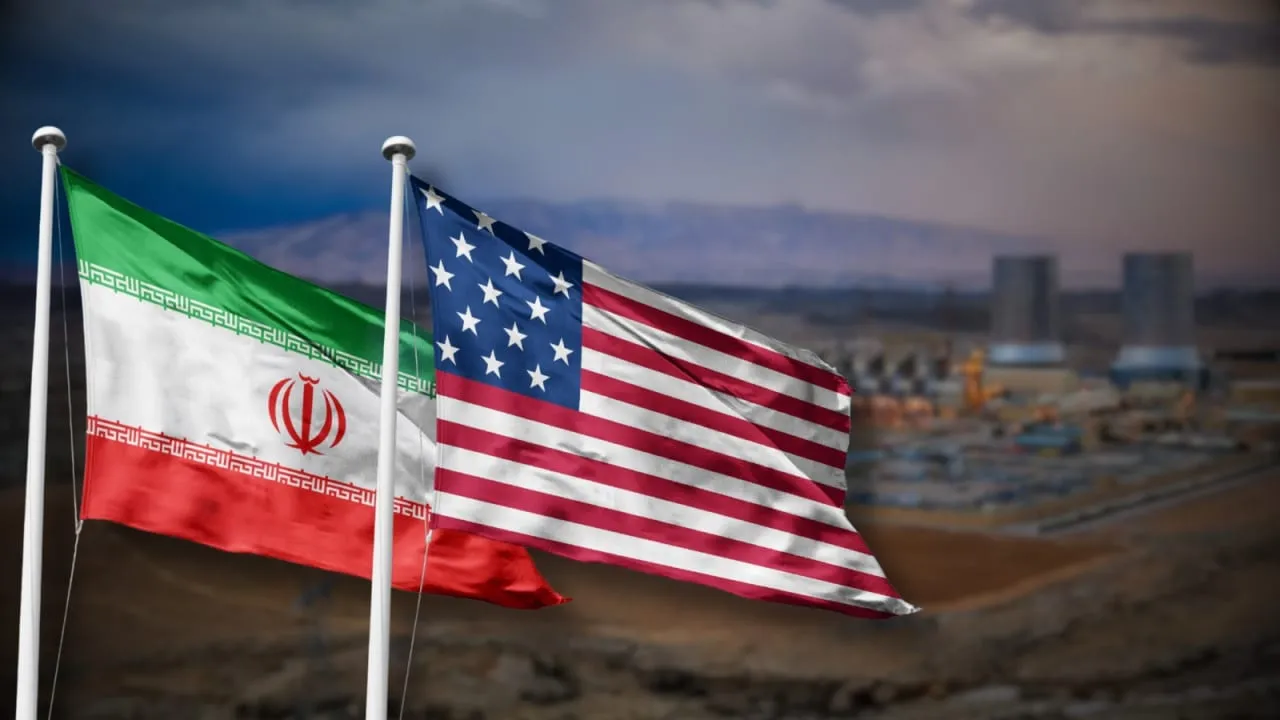
Geneva Today: A Global Diplomatic Hub Where Two Major Crises Are Being Negotiated in Parallel — Ukraine and Iran’s Nuclear File
On 17 February 2026, Geneva has become a rare point of convergence for two high-stakes diplomatic tracks unfolding at the same time. The city is hosting discussions tied to a Ukraine settlement effort involving delegations from Ukraine, Russia, and the United States, while, in parallel, a separate channel is active on Iran’s nuclear program, conducted as indirect talks between the U.S. and Iran. Taken together, this overlap signals a hard reality: the world has entered a phase in which the most dangerous conflicts require constant diplomatic management, not sporadic statements.
The Ukraine track in Geneva is widely seen as an attempt to move the conversation from public rhetoric back to operational parameters. The agenda centers on ceasefire-related issues, humanitarian concerns, and a framework for future arrangements that must be enforceable rather than symbolic. The format itself matters. U.S. participation points to a discussion that goes beyond bilateral dynamics and touches the broader security architecture in Europe and the credibility of international commitments.
The parallel Iran track reinforces the day’s central message: Geneva is being used to contain more than one escalation pathway at once. The U.S.–Iran channel on the nuclear dossier unfolds against entrenched distrust and heightened regional sensitivity, where miscalculation can trigger rapid spillover. In that context, sustaining a negotiation channel is itself a mechanism to reduce risk, even when an immediate breakthrough is not on the table.
Why Geneva again. First, it offers a neutral environment where parties can engage without the optics of negotiating on a rival’s or ally’s political terrain. Second, it has longstanding institutional experience with complex diplomatic formats and procedural discipline. Third, choosing Geneva is a signal in itself: the process is being pushed toward structured bargaining, where outcomes are measured by verifiable commitments, not by headlines.
The meaning of today’s Geneva moment is straightforward. Diplomacy is no longer an optional “add-on”; it is back as a primary tool of risk control. For Ukraine, the core question is whether the parties can move toward de-escalation mechanisms that do not collapse into a temporary pause without guarantees. For Iran, the core question is whether the nuclear file can be kept inside a negotiating framework, preventing a drift toward unilateral moves and reciprocal escalation.
Geneva today is not merely a venue. It is an indicator that major actors recognize the limits of pressure politics and are forced back into negotiation architecture. Even if the immediate outcome is only the clarification of positions and the continuation of contacts, the concentration of these two dossiers in one city underscores a shift: global security is being defended not by slogans, but by sustained, procedural bargaining.
Related Articles

Artificial Intelligence Enters a New Era
27 July 2026
Read more
Agentic AI: Why It Is Poised to Become the Defining Technology of the Coming Years
22 July 2026
Read more
Саммит G7 во Франции: мировые лидеры перед лицом новой эпохи глобальных вызовов
17 June 2026
Read more
China Against the System: How Beijing Is Preparing for an Era of Great Global Confrontation
23 May 2026
Read more