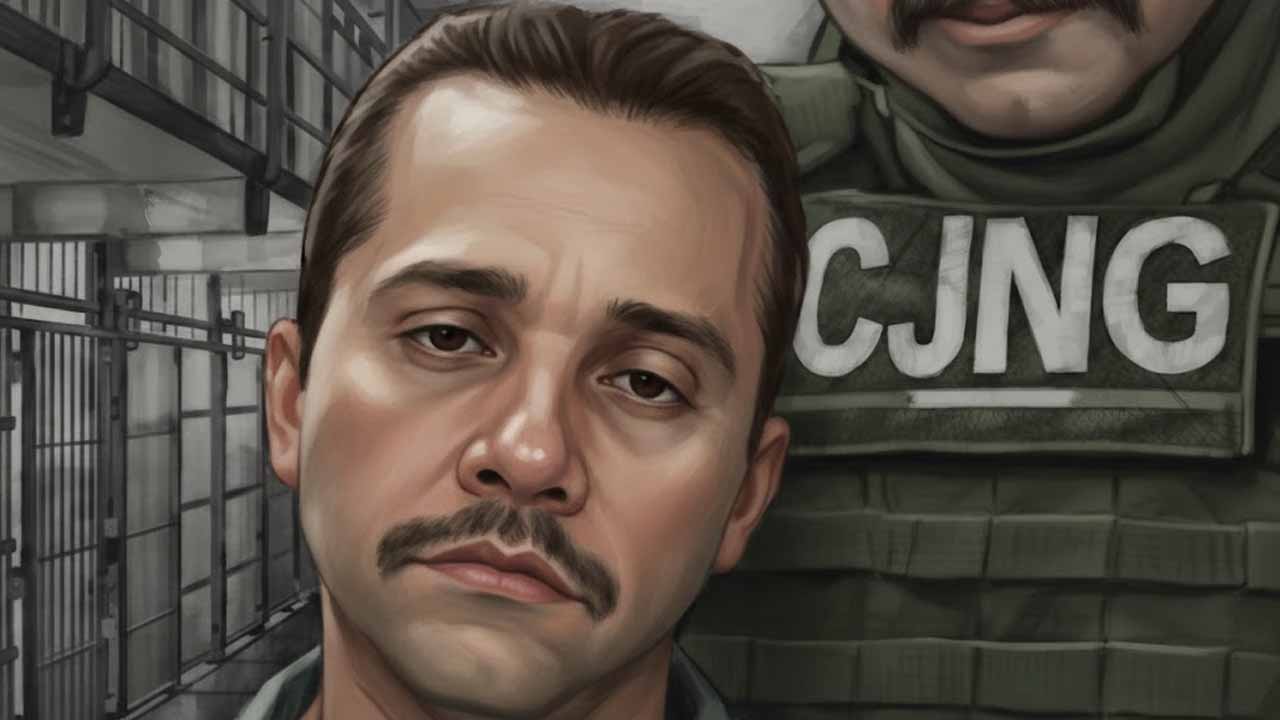
Mexico After the Killing of “El Mencho”: Three Days That Shook the Country, Hundreds of Roadblocks, Dozens Dead, and a Struggle for Control in the West

The killing of Nemesio Oseguera Cervantes — widely known as “El Mencho” — the leader of Cártel Jalisco Nueva Generación (CJNG), has marked one of the most consequential moments in Mexico’s long and violent confrontation with organized crime. What began on February 22 as a targeted military operation in the mountainous municipality of Tapalpa, in the western state of Jalisco, quickly escalated into a nationwide security crisis, triggering coordinated retaliatory violence across large parts of the country.
According to Mexico’s Ministry of National Defense, the operation was originally designed to capture Oseguera. Federal forces — including army units, special operations personnel, and military aviation — conducted the raid following intelligence support provided by the United States. During the armed confrontation, however, Oseguera was critically wounded and later died while being transported. Several members of his security detail were killed at the scene, others were detained, and authorities reported the seizure of heavy weaponry, including grenade launchers and equipment capable of targeting aircraft. Several soldiers were injured in the engagement.
News of “El Mencho’s” death spread rapidly. Within hours, coordinated actions attributed to CJNG operatives began unfolding across Jalisco. Eyewitness accounts described convoys of pickup trucks carrying heavily armed men moving along highways and toward key urban centers. Vehicles and public transportation were set on fire in Guadalajara, while plumes of smoke rose over parts of Puerto Vallarta. Reports emerged of panic at Guadalajara International Airport, where passengers were evacuated amid claims of armed individuals near the perimeter. Pilots reportedly alerted authorities to suspicious activity in the vicinity of the airport.
Highways were obstructed with burning vehicles and debris. In several areas, spike strips were deployed to disable traffic. Municipal authorities declared emergency measures. In some localities, commercial activity was suspended and residents were urged to remain indoors. There were reports of attacks on National Guard installations, ambushes on patrol units, and even a prison break in Puerto Vallarta, where armed men allegedly rammed a vehicle through a facility gate to free inmates.
The federal government temporarily imposed airspace restrictions over the area of operations. By late evening on February 22, it had become evident that the country was facing one of the most significant cartel-driven waves of violence in recent years. Security officials reported dozens of active roadblocks in Jalisco alone. As the night progressed, incidents were reported beyond the state’s borders — in Sinaloa, Veracruz, Chiapas, Guanajuato, Michoacán, and other regions. Branches of the state-owned Banco del Bienestar were attacked, fuel stations and commercial properties were set ablaze, and coordinated armed activity was reported on multiple highways.
On February 23, clashes intensified in several locations. Heavy fighting was reported near La Desembocada in Jalisco. Videos circulating online showed helicopter gunships providing aerial fire support against armed groups. In parts of Michoacán, security forces reportedly encountered armed units operating with armored vehicles. Gun battles were reported on the outskirts of Guadalajara and in various municipalities where road access remained contested.
One military UH-60 Black Hawk helicopter reportedly sustained damage from ground fire and returned to base. In response, federal authorities deployed reinforcements. The defense ministry announced the dispatch of thousands of additional troops to Jalisco, significantly increasing the security presence in the region. President Claudia Sheinbaum addressed the nation, stating that federal and state authorities were fully coordinated and urging the public to remain calm.
The White House confirmed that U.S. intelligence support had contributed to the operation but emphasized that American forces did not participate directly in combat. The U.S. government also issued security advisories urging its citizens in affected areas to shelter in place and avoid unnecessary travel.
By the evening of February 23 and throughout February 24, authorities began releasing preliminary casualty figures. Official statements indicated that dozens had been killed during the operation and subsequent unrest, including members of the National Guard and other security personnel. On the cartel’s side, multiple armed operatives were reported killed. Nationwide, authorities documented hundreds of roadblocks and dozens of attacks on government personnel. Dozens of suspects were detained in connection with the coordinated violence.
February 24 marked the beginning of an intensive stabilization phase. Federal highways were gradually cleared of burned vehicles. Military, National Guard, and naval units strengthened their presence in Jalisco and neighboring states. Authorities confirmed further arrests and the killing of a senior financial coordinator linked to CJNG. The governor of Jalisco announced the resumption of public and commercial activity, describing the situation as moving toward normalization.
Nevertheless, isolated clashes and arson attacks continued in certain areas. The tourism sector — particularly in Puerto Vallarta — faced significant disruption. Flights were temporarily suspended, and enhanced security measures were implemented at airports and seaports. With the 2026 FIFA World Cup approaching, federal officials emphasized that security guarantees for international events would be reinforced, and that additional forces would remain deployed as long as necessary.
By February 25, federal authorities reported a reduction in active roadblocks and a restoration of core infrastructure. Airports resumed regular operations, and major highways were reopened. Security forces continued targeted operations aimed at dismantling residual armed cells. Despite official assurances of stabilization, analysts warned that the death of “El Mencho” had created a potential power vacuum within CJNG. Internal competition for control over territorial and financial networks could spark further violence, potentially less centralized but no less destabilizing.
Nemesio Oseguera Cervantes — a former police officer who rose over less than two decades to lead one of Mexico’s most powerful criminal organizations — had long been considered one of the most wanted figures in the hemisphere. His organization expanded aggressively across western Mexico and built a transnational drug trafficking network tied to fentanyl, methamphetamine, cocaine, and heroin distribution.
The scale and speed of CJNG’s retaliation demonstrated a high degree of operational readiness and coordination, with simultaneous actions reported in multiple states. At the same time, the federal government’s response reflected a willingness to deploy aviation assets, special operations units, and coordinated intelligence support in order to regain control over strategic corridors.
For three days, Mexico experienced a level of coordinated violence that resembled localized armed conflict rather than sporadic criminal unrest. While authorities now assert that the situation is under control, the broader strategic question remains unresolved. The elimination of one of the world’s most powerful cartel leaders may represent a turning point in Mexico’s security campaign — or it may mark the beginning of a new phase of fragmentation, internal struggle, and recalibration within the country’s organized crime landscape.
In the immediate term, the state has regained operational control over key infrastructure and transportation networks. In the longer term, however, the balance of power within western Mexico remains uncertain, and the full consequences of “El Mencho’s” death are still unfolding.
Related Articles

Artificial Intelligence Enters a New Era
27 July 2026
Read more
Agentic AI: Why It Is Poised to Become the Defining Technology of the Coming Years
22 July 2026
Read more
Саммит G7 во Франции: мировые лидеры перед лицом новой эпохи глобальных вызовов
17 June 2026
Read more
China Against the System: How Beijing Is Preparing for an Era of Great Global Confrontation
23 May 2026
Read more