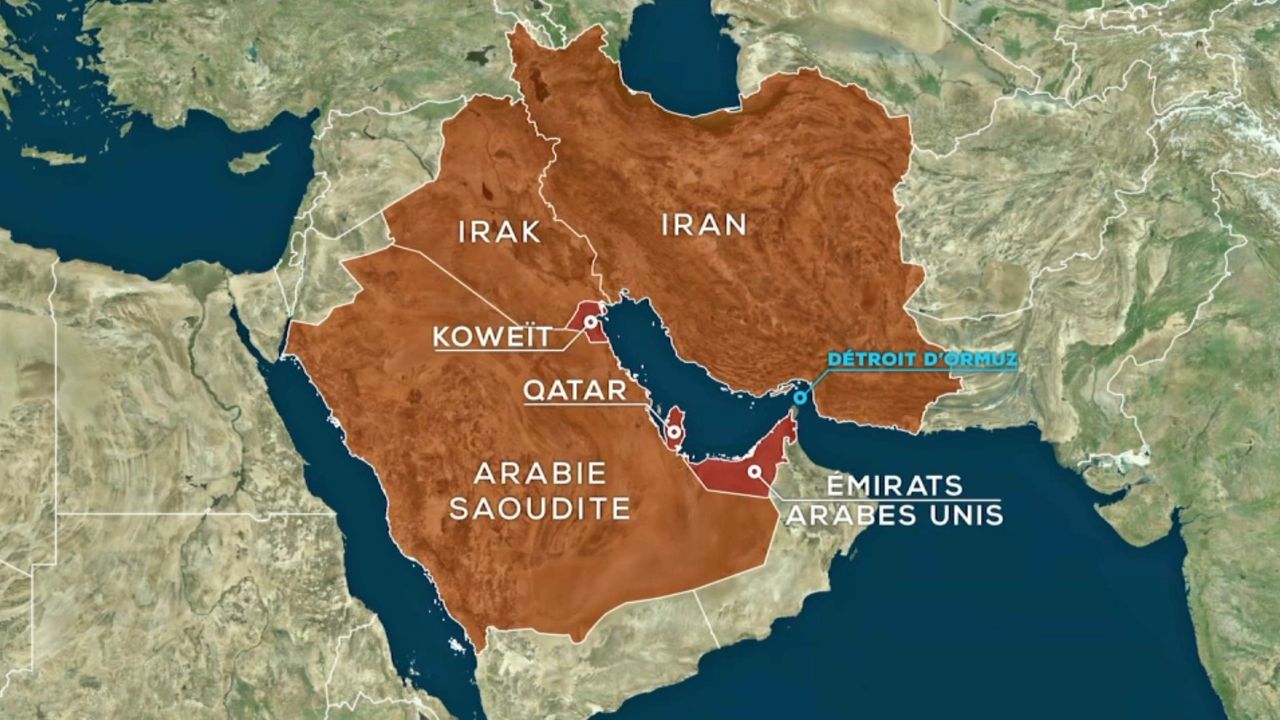
France and Italy seek dialogue with Iran to secure shipping route through Hormuz
.png "Department of Strategic Monitoring")
Several European governments, with France among them, have begun quiet contacts with Tehran aimed at ensuring that their commercial vessels can safely transit the Strait of Hormuz, according to officials familiar with the matter. The outreach reflects growing concern in Europe over the disruption of energy flows from the Gulf and the wider economic consequences of a prolonged maritime blockade.
Traffic through the narrow waterway — a vital corridor that typically carries roughly 20 percent of global oil and liquefied natural gas shipments — has fallen sharply after attacks on tankers and statements by Iran’s newly installed supreme leader pledging to keep the strait effectively closed.
European policymakers are exploring whether limited arrangements could allow exports of oil and gas to resume without widening the regional conflict. Shipping companies, meanwhile, are watching for signs that Western navies might eventually provide protection to commercial convoys.
Officials say Paris is among the capitals engaged in preliminary discussions, while Rome has also tried to open channels with Iranian counterparts. At the same time, they caution that there is no certainty talks will produce results, nor that Tehran is willing to compromise. Some Western officials believe Iran may be seeking to drive up global energy prices to increase pressure on US President Donald Trump to de-escalate hostilities.
European governments have largely tried to avoid being drawn directly into the confrontation, and some have voiced criticism of the initial US-Israeli strikes that triggered the broader escalation. Nevertheless, fears are mounting that a sustained disruption in Hormuz could push energy costs higher for businesses and households, adding strain to already fragile public finances across the continent.
Oil prices have climbed to around $100 per barrel from roughly $60 at the start of the year, while European gas benchmarks have surged by about three-quarters over the same period.
France, Italy and Greece currently deploy naval assets in the Red Sea as part of the EU’s Aspides maritime security mission. However, officials say European forces are reluctant to escort tankers through Hormuz while the threat of attack remains high, warning that such moves could intensify the conflict. “Conditions would need to be permissive,” one official noted.
Differences within the EU are also complicating the diplomatic effort. Some member states favour engagement with Iran, while others oppose outreach, arguing it could undermine broader strategic pressure.
The United Kingdom is not holding direct talks with Tehran on access to the strait, according to British officials. Still, Foreign Secretary Yvette Cooper is discussing energy supply continuity with Gulf partners during a visit to Saudi Arabia.
French President Emmanuel Macron has indicated that Paris could consider participating in naval escorts if tensions ease. In a recent exchange with Iranian President Masoud Pezeshkian, Macron stressed the importance of restoring freedom of navigation in Hormuz.
Italy’s defence minister, Guido Crosetto, has likewise called for a unified European position, suggesting the bloc should formally request that vessels from countries not involved in the war be allowed to pass through the strategic chokepoint.
Related Articles

Artificial Intelligence Enters a New Era
27 July 2026
Read more
Massive Wildfires Sweep Across France and Spain
26 July 2026
Read more
Саммит G7 во Франции: мировые лидеры перед лицом новой эпохи глобальных вызовов
17 June 2026
Read more
DR Congo Reports Downing of Alleged Rwandan Drone: Border Tensions Escalate
26 April 2026
Read more