March 14: Israel Hit by Series of Rocket Alerts and UAV Infiltration Warnings
.png "Department of Strategic Monitoring")
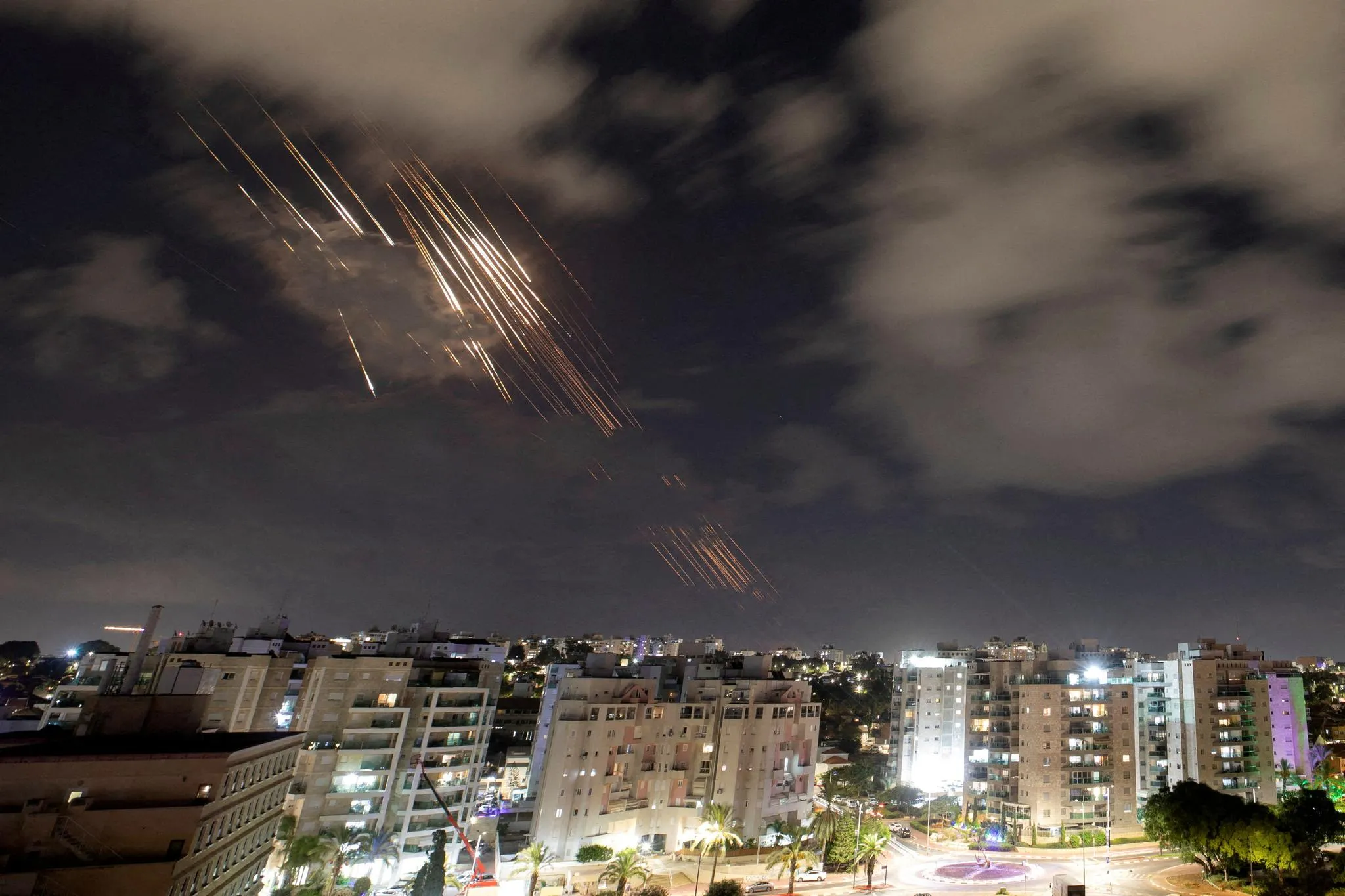
During the night of March 14 and into the morning hours, multiple regions across Israel experienced a prolonged wave of air-raid sirens triggered by rocket launches and warnings about possible hostile unmanned aerial vehicle (UAV) infiltration. Alerts were issued by emergency services, the police and the Home Front Command.
Initial sirens sounded in communities along the confrontation line as well as in northern parts of the country. Warning systems were activated across areas such as the Upper and Lower Galilee, the Beit She’an Valley, the Carmel region, Samaria and Wadi Ara. In several instances, alerts were reported simultaneously in dozens or even hundreds of alert zones, indicating a broad geographic scope of the threat.
At the same time, authorities issued warnings about potential UAV incursions in border areas, including communities such as Shtula, Metat, Ya’ara, Arab al-Aramshe and Sasa. Residents were instructed to immediately seek shelter in protected spaces and strictly follow safety guidelines issued by security services.
As the situation evolved, repeated assessments were carried out. Following the conclusion of specific alert phases, residents in various regions — including central Israel, parts of the southern and central Negev, Jerusalem, Sharon and the Shfela — were allowed to leave shelters. However, additional launch detections later triggered renewed alerts and precautionary measures.
Overnight and into the morning, sirens continued to sound in northern localities such as Metula, Kfar Giladi, Kiryat Shmona, Menara and Margaliot. Reports also mentioned further rocket launches and continued concerns over UAV infiltration near the Lebanese border. Restrictions in affected areas were gradually lifted after each security assessment.
Israel’s emergency medical service, MDA, reported that in the early stages of the incidents there was no confirmed information about casualties directly resulting from rocket fire. Medical teams were nevertheless dispatched to assist a man who was injured while running to a shelter. Authorities reiterated that compliance with Home Front Command instructions significantly reduces risks to civilians.
Police units, border guards and bomb disposal teams conducted searches to locate impact sites and interception debris. The public was urged to avoid approaching suspicious objects or visiting potential strike locations and to keep access routes clear for emergency responders.
Separately, the fire and rescue service reported a residential fire in the city of Ashkelon that was not related to the ongoing security situation. Two people and a dog were rescued from the smoke-filled apartment. The injured were hospitalised with smoke inhalation, their condition described as serious and moderate.
Overall, the wave of alerts lasted several hours and affected large parts of northern and central Israel. After the final round of assessments, the Home Front Command declared the incidents over and allowed residents to exit protected areas, while advising continued vigilance in case of further warnings.
Related Articles

Artificial Intelligence Enters a New Era
27 July 2026
Read more
Agentic AI: Why It Is Poised to Become the Defining Technology of the Coming Years
22 July 2026
Read more
Саммит G7 во Франции: мировые лидеры перед лицом новой эпохи глобальных вызовов
17 June 2026
Read more
China Against the System: How Beijing Is Preparing for an Era of Great Global Confrontation
23 May 2026
Read more