Protests in Iran
Protests in Iran: What Is Known
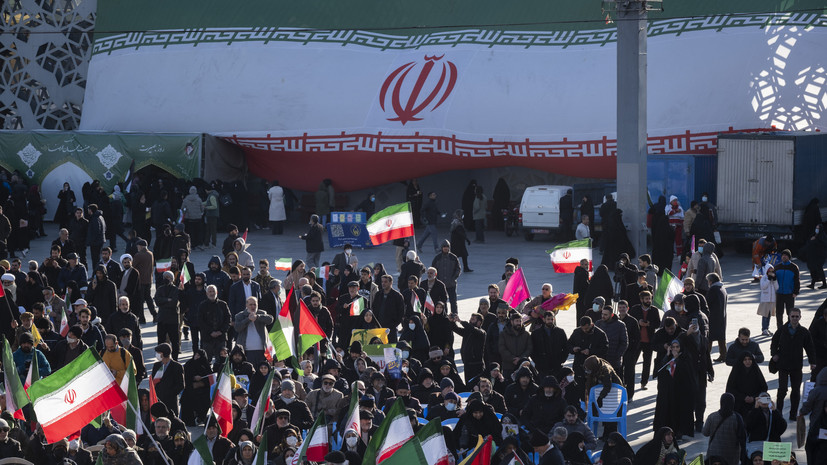
Large-scale protests continue across Iran, having begun as socio-economic demonstrations and rapidly evolved into a broader political challenge. The immediate trigger was a sharp deterioration in the country’s economic situation, marked by the collapse of the national currency, accelerating inflation and a steep rise in the cost of basic goods. Within days, protest activity spread far beyond isolated locations and took on a nationwide character.
The first signs of unrest were reported in Tehran, where merchants at major bazaars and commercial districts staged strikes in response to the rapid devaluation of the Iranian rial and the erosion of purchasing power. Students, young professionals and segments of the urban middle class soon joined the protests. Demonstrations then expanded to major cities such as Isfahan, Shiraz, Mashhad, Tabriz, Kermanshah and Ahvaz, as well as to numerous provincial centers.
According to data compiled by human rights organizations and monitoring groups, protest actions have been recorded in dozens of cities and hundreds of locations across the country. Demonstrators have blocked streets, gathered in spontaneous rallies and organized night-time actions. While initial demands focused on economic grievances, slogans and chants increasingly reflected direct opposition to the political leadership, including calls directed at Supreme Leader Ali Khamenei.
As the protests widened, confrontations between demonstrators and security forces intensified. Reports indicate the use of riot control measures, mass arrests and, in some cases, live ammunition. Human rights groups speak of dozens of deaths, hundreds of injuries and a significant number of detainees. Particular attention has been drawn to reports of fatalities among minors, which have amplified domestic and international concern.
Iranian authorities have adopted a hard line in response to the unrest. Judicial and security institutions have declared that they will not tolerate what they describe as riots and anti-state actions, emphasizing their determination to prevent destabilization. Official statements have repeatedly alleged that the protests are being instigated from abroad, with accusations directed at the United States, Israel and foreign-based media outlets. These claims have been framed as part of a broader narrative of defending national sovereignty and internal security.
At the same time, Supreme Leader Ali Khamenei has addressed the situation by warning of hostile forces seeking to weaken the Islamic Republic, while also acknowledging the existence of economic hardships faced by the population. Iranian media have reported on emergency meetings of the National Security Council, during which measures to contain the unrest and prevent further escalation were discussed.
The economic backdrop remains one of the central drivers of public anger. The Iranian rial has fallen to historic lows, inflation is estimated by various sources to be approaching 50 percent, and rising prices for food, fuel and utilities have placed severe pressure on low-income households. Additional strains have come from shortages and disruptions in electricity, water supply and fuel distribution in several regions, reinforcing perceptions of a deepening systemic crisis.
The events in Iran have prompted wide international reactions. Western governments and organizations have issued statements urging restraint by Iranian authorities and calling for respect for human rights. In parallel, Tehran has lodged complaints with international bodies, condemning what it describes as external interference and political pressure. Statements by certain foreign political figures, interpreted in Iran as threats, have further heightened tensions.
Social media has played a major role in disseminating information and imagery from the protests, with numerous videos circulating online. Independent verification of much of this material remains difficult due to restrictions on internet access and the limited presence of foreign journalists in the country. Analysts note that the information environment surrounding the protests is highly polarized and increasingly shaped by competing political narratives.
Overall, the protests in Iran reflect a convergence of economic crisis, accumulated social frustration and unresolved political tensions. Despite firm measures by the authorities, protest activity continues, and the trajectory of events remains uncertain. Observers suggest that future developments will depend on the government’s ability to address economic grievances and restore public confidence, as well as on the scale and nature of the security response to ongoing demonstrations.